

Wound Care and Wound Healing: Overview
Wound care and wound healing services focus on assessing, treating, and monitoring wounds such as diabetic ulcers, pressure injuries, surgical wounds, and skin tears. For individuals seeking wound healing in Glendale, California, experienced healthcare professionals and wound care specialists can help support proper healing, reduce the risk of complications, and encourage better skin integrity.
But what happens when a wound does not heal as expected? A wound may require more than basic cleaning and dressing, especially when it is chronic, complex, or affected by an underlying health condition. Regular assessment can help identify changes in the wound, surrounding skin, drainage, swelling, or other concerns that may affect the healing process. Understanding the type, size, location, and condition of a wound is an important part of determining appropriate care.
Why can some wounds take longer to heal? Factors such as diabetes, reduced mobility, pressure, poor circulation, previous surgery, repeated irritation, or damage to the skin can interfere with normal healing. Older adults and people with limited mobility may also be more vulnerable to pressure injuries and skin tears. Because every wound is different, care should be based on the individual’s condition, healing progress, and overall needs.
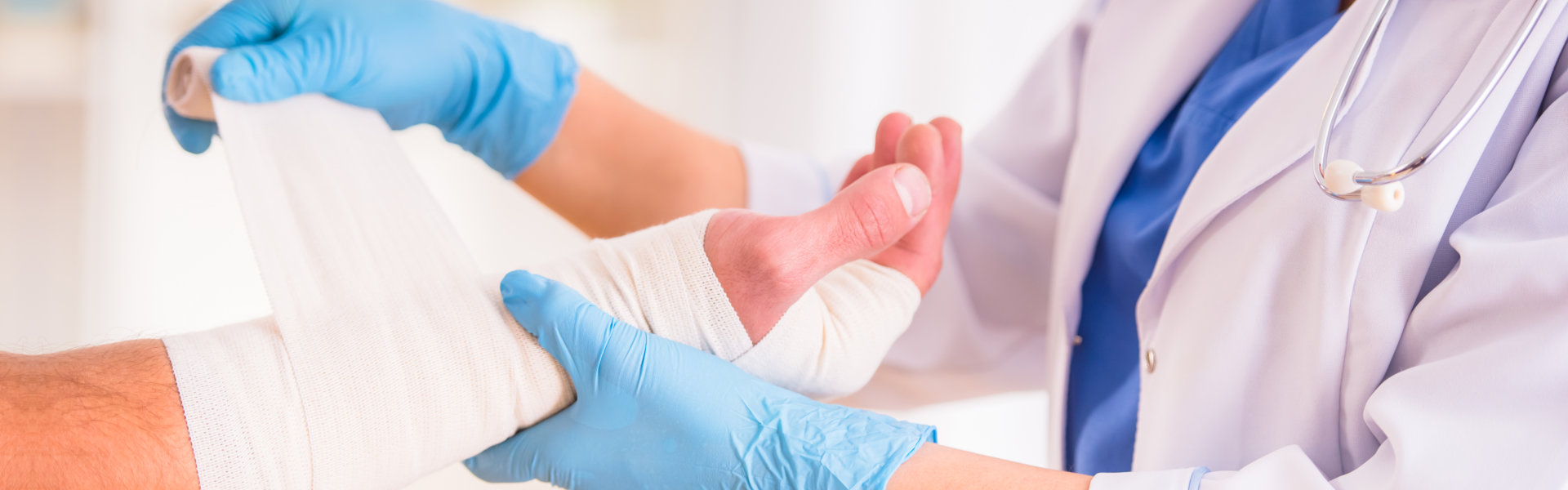
What does proper wound care involve? Depending on the wound, care may include wound assessment, cleansing, dressing changes, monitoring for signs of infection, protection of the surrounding skin, and follow-up evaluations. Healthcare professionals may also review factors that could be contributing to delayed healing and recommend appropriate next steps. Consistent monitoring is especially important when a wound changes in appearance or does not seem to be improving.
Wound Care and Wound Healing: How We Help
Are you dealing with a wound that is slow to heal or requires ongoing attention? CareQuest Mobile Doctors & Wound Specialists provides comprehensive wound evaluations and personalized treatment plans tailored to each patient’s condition. Our team monitors healing progress, addresses concerns promptly, and delivers care directly in the comfort of home.
Wound Care and Wound Healing: How It Works
- Schedule an in-home wound care evaluation.
- Receive a comprehensive wound assessment and treatment plan.
- Obtain ongoing wound monitoring and care management.
- Follow recommended care instructions to support healing.
Wound Care and Wound Healing: Experience Better Outcomes
Living with a chronic or complex wound can affect mobility, comfort, and daily activities. Receiving regular wound assessments and treatment in a familiar environment can help patients stay engaged in their care plan and recognize changes early. Consistent support and professional oversight can contribute to a more manageable healing journey.
Frequently Asked Questions
How long does it take for a wound to heal?
What are common signs that a wound may be infected?
Why is my wound not healing normally?
How often should a wound dressing be changed?
Can a wound get worse even if it does not hurt?
What should I do if a wound starts bleeding?
When should I seek medical attention for a wound?
Schedule Convenient Care At Home
CareQuest Mobile Doctors & Wound Specialists brings primary care and wound care services directly to you. Receive personalized healthcare without the stress of traveling to a clinic. Contact us today to schedule your in-home medical visit.